Last year, a friend who had “japa”- migrated from Nigeria to the UK, called me out of the blue. In a disappointed voice, she said, “I wish I had learned programming while I was still in Nigeria,”
Surprisingly, she was a top accountant with one of the leading banks in the country.
Her reason was simple: “I would have secured a well-paying financial role here if I had Python and SQL skills.”
This highlights a key truth often missed in conversations about tech: software development isn’t only for career switchers - it can be a powerful career multiplier - An example of such roles where software development is acting as a career multiplier is as shown below:
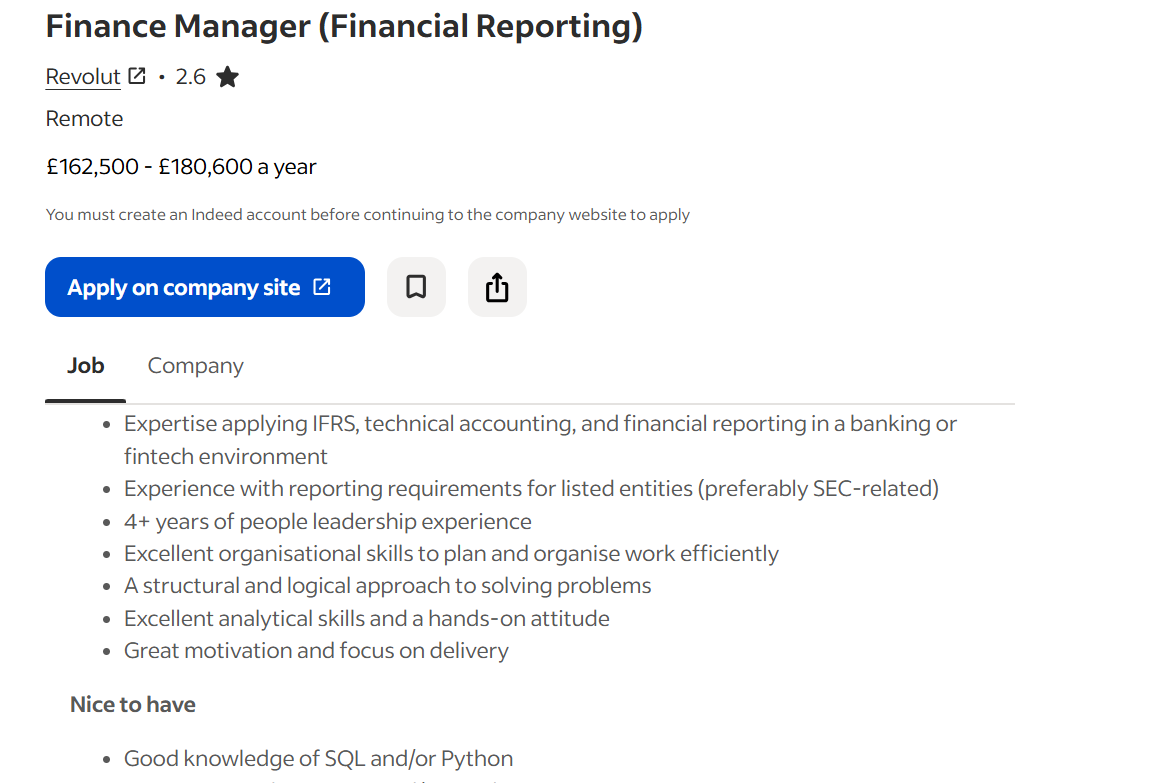
While software development is widely viewed as a lucrative standalone career due to high salaries, job security, and cross-industry relevance, switching careers entirely can feel daunting for professionals already established in another field.
This raises an important question: must software development be a complete career change, or can it enhance an existing one?
Rather than starting from scratch, software development can strengthen your current career by complementing your domain expertise with technical skills, opening doors to new opportunities without abandoning your professional foundation.
Understanding Software Development
At its core, software development is about building solutions: using logic, creativity, and continuous learning to solve real-world problems through technology. As industries digitize, software development skills are no longer confined to tech companies.
The Growing Demand for IT Skills
Globally, demand for software skills continues to rise. In Nigeria, the growing tech ecosystem has created strong opportunities, with software engineers in cities like Lagos earning between ₦3M–₦12.6M annually (source ) with higher figures possible at top companies and when working remotely for foreign companies can earn significantly more often $50,000 + per year (₦71M+) if paid in USD (source).
Beyond tech firms, sectors like finance, healthcare, logistics, and marketing increasingly depend on software-driven solutions.
Software Development as a Career Multiplier
Rather than abandoning your profession, software skills can strengthen it in three major ways:
Sharper Problem-Solving
Learning to code improves analytical thinking and helps you break complex problems into structured solutions- valuable in any field.
Increased Efficiency
Software skills allow you to automate repetitive tasks such as reporting, data processing, and workflows, freeing time for strategic, high-impact work.
Better Collaboration with Tech Teams
Understanding software fundamentals improves communication with developers, reduces friction, and enhances leadership effectiveness on technical projects.
Career Amplification Through Moat Academy
Professionals who want to enhance their careers, not abandon them would benefit greatly from Moat Academy . The focus is on integrating software skills into existing roles.
Why Moat Academy?
- Comprehensive curriculum aligned with current industry standards
- Flexible learning that fits around full-time work
- Strong support system with mentors and peer communities
- Alumni Success - graduates report improved job satisfaction, higher earnings, and access to more impactful and leadership-oriented roles - without starting over.
Software Skills Across Industries
Marketing: Software skills enable marketers to automate data collection, build custom analytics tools, and craft more targeted campaigns, leading to improved decision-making and stronger ROI.
Finance: In finance, coding can automate financial models, streamline risk assessments, and improve data accuracy, creating more efficient operations and competitive advantages.
Healthcare: Healthcare professionals with coding skills can develop tools for patient management, streamline administrative tasks, and support data-driven care improvements.
Getting Started with Software Development
If you want to use software development to grow your career:
- Clarify your goal: Identify where tech can add value in your current role.
- Choose the right platform: Opt for practical programs that can fit your working schedule like Moat Academy Weekend Bootcamp.
- Practice regularly: Consistency matters - regular practice builds confidence and reinforces learning, especially when applied to real workplace challenges.
Overcoming Common Challenges
Balancing software development with an existing career can be challenging, but it’s manageable with the right approach:
Time Management
Create a realistic study schedule and stick to it. Even short, consistent sessions can yield significant progress over time.
Staying Motivated
Focus on your long-term goals and celebrate small wins. Progress fuels motivation.
Finding Support
Engage with learning communities, mentors, and peers who can provide encouragement and accountability.
Conclusion: Embracing Software Development as a Career Multiplier
Software development doesn’t have to mean starting over. It can multiply your impact, expand your opportunities, and future-proof your career by enhancing what you already do well.
With accessible programs like Moat Academy, integrating software skills into your professional journey has never been more achievable. It’s not about changing who you are professionally -it’s about elevating how you work and expanding what’s possible.
Don’t wait for change. Build the skills that allow you to shape it.
